
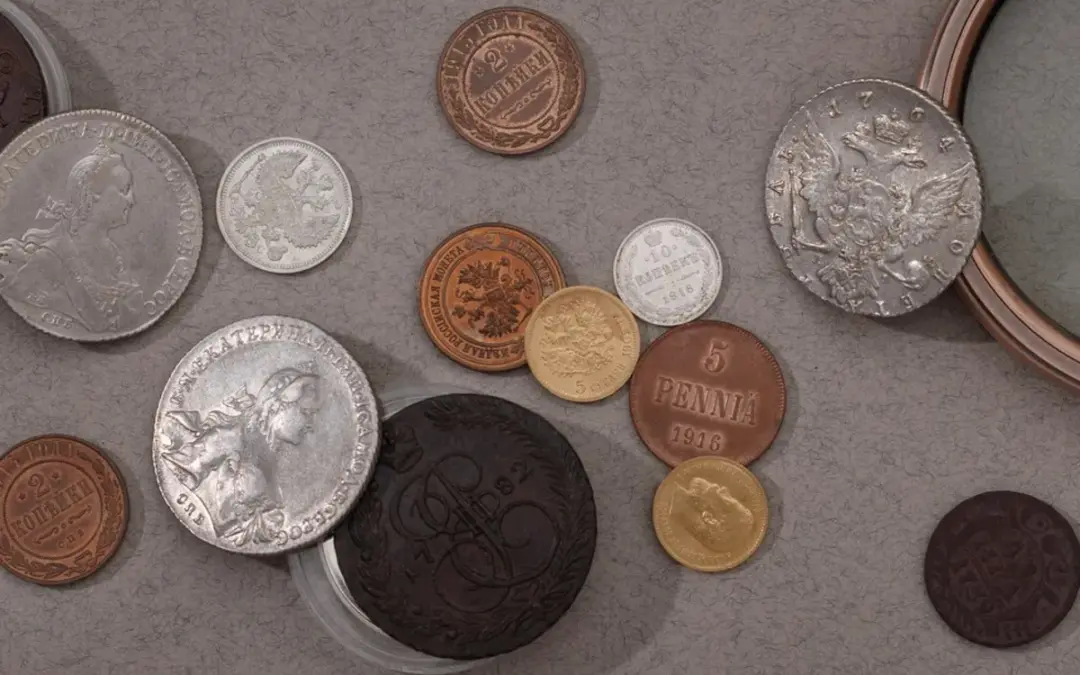
If you’ve been sitting on a collection of old coins and wondering whether it’s worth anything, you’re not alone. Every week, people walk into meetings with silver coin buyers in NYC carrying shoeboxes, velvet pouches, and inherited collections they know almost nothing about. Some leave pleasantly surprised. Others leave wishing they had done a little homework first. The difference usually comes down to one thing: knowing what buyers actually care about before you show up.
It’s Not Always About the Pretty Ones
Most people assume that a coin’s visual appeal drives its value. A shiny, well-preserved Morgan dollar must be worth more than a worn, dull-looking one, right? Not necessarily. What experienced buyers are really looking at is a combination of silver content, rarity, mint year, and mint markand sometimes a heavily circulated coin from a low-mintage year is worth significantly more than a pristine example of a common date.
Take Walking Liberty Half Dollars, for example. The 1921 issue looks almost identical to coins minted a decade later, but the price gap between them is enormous. Buyers who specialize in silver know this immediately. If you don’t, you might accept a generic melt-value offer on a coin that deserves considerably more. That’s why understanding how coin grading affects your selling price before you walk in the door can genuinely change the outcome of your transaction.
The bottom line: don’t clean your coins, don’t assume the shiniest ones are the most valuable, and don’t dismiss the ones that look rough. Let the buyer assess them properly.
The Market Moves, and So Should You
Silver is a commodity. Its price fluctuates daily based on global markets, economic sentiment, and investor behavior. This matters enormously when you’re deciding when to sell. A coin with two ounces of silver content is worth a very different number depending on whether spot silver is trading at $22 or $32 per troy ounce.
Right now, silver has been drawing serious attention from both institutional investors and everyday collectors. That means buyers are actively looking to acquire, and the offers being made reflect a competitive market. Timing your sale during a period of elevated spot prices, rather than waiting for a “perfect moment” that may never come, is one of the smartest moves a seller can make.
NYC’s market is particularly active because the city draws serious collectors, dealers, and investors from across the country. The volume of transactions here means buyers are well-capitalized and motivated. That competitive pressure generally works in your favor as a seller, provided you’re working with someone reputable who prices fairly against current spot.
What Actually Happens When You Walk In
A lot of first-time sellers don’t know what to expect from the process itself, and that uncertainty makes people nervous. Here’s how a straightforward transaction typically works with an established local buyer.
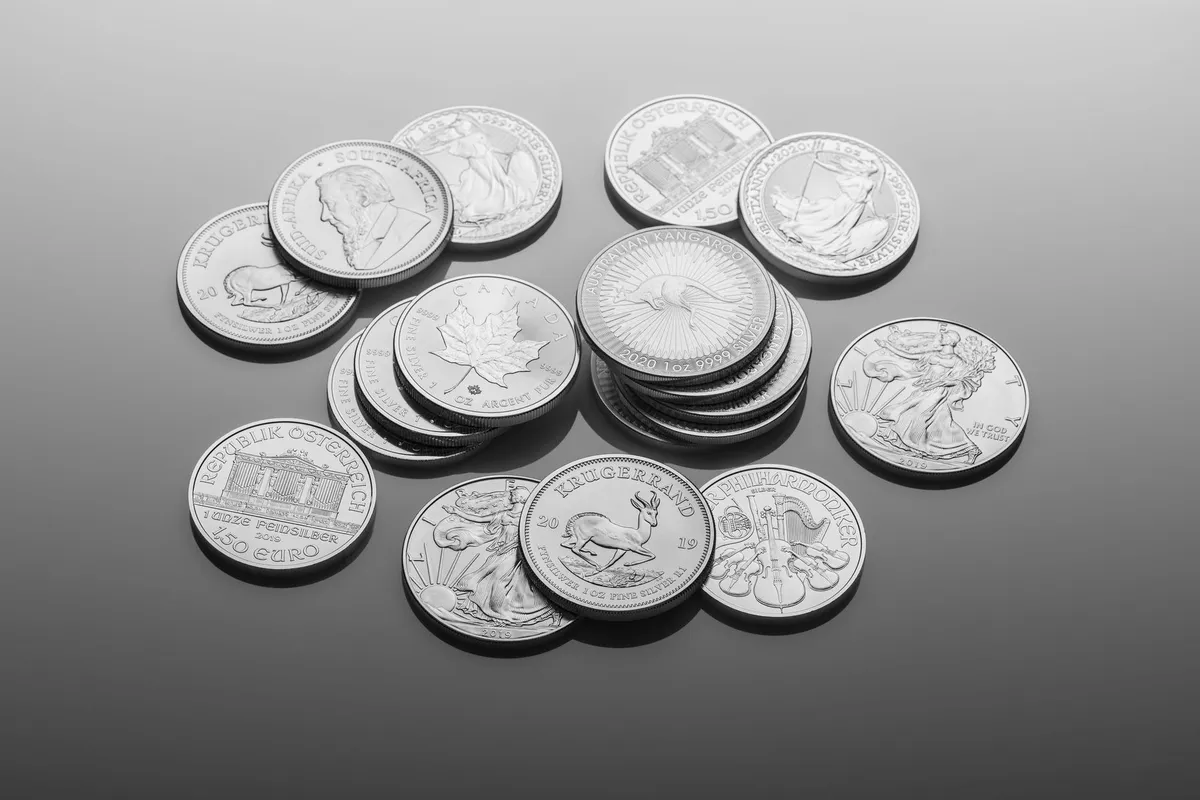
You bring in your coins. The buyer examines them, checking dates, mint marks, condition, and silver content. For standard U.S. silver coins like Roosevelt dimes, Washington quarters, Franklin half dollars, and Peace or Morgan dollars, the silver content is well-documented and easy to calculate. For foreign silver coins or older pieces, it takes a bit more expertise, but a knowledgeable buyer handles this routinely.
After the assessment, you receive an offer based on current spot price plus any numismatic premium for coins that carry collector value above their melt weight. You’re under no obligation to accept. A trustworthy buyer will explain exactly how they arrived at the number and give you time to consider it.
People who’ve gone through this process with experienced local dealers often describe it as far less intimidating than they expected, and more profitable than they anticipated. The key is choosing a buyer who takes the time to explain their evaluation rather than rushing you toward a quick decision.
What Separates a Good Buyer from a Great One
Not every coin shop or gold and silver dealer operates the same way. Some focus almost exclusively on bullion and aren’t particularly interested in numismatic pieces. Others specialize in rare coins but won’t give you a fair price on common silver. The best buyers do both well, they’ll pay you fairly for the silver melt value on circulated coins and recognize when something in your collection deserves a premium offer.
Transparency is the other big differentiator. A buyer who shows you the current spot price, walks you through their calculation, and answers your questions without impatience is one you can trust. If someone makes you feel rushed or dismisses questions about how they arrived at an offer, that’s a signal to walk away.
At our silver coin selling servicethe evaluation process is straightforward and the offers are grounded in real market data. Whether you have a single roll of 90% silver quarters or a decades-old collection with potentially rare pieces mixed in, every item gets a proper look.
If you’re still building your understanding of what to expect before your first visit, it’s worth reading through the key factors to consider before selling your coinsit covers the preparation side of things in practical detail. Going in informed isn’t just about getting a better price. It’s about feeling confident that you made the right decision when you walk out the door.
Frequently Asked Questions
How do I know if a worn, ugly-looking coin in my collection is actually worth more than face value?
Don’t judge a coin by how it looks, a heavily circulated coin from a low-mintage year can be worth significantly more than a pristine version of a common date, as the 1921 Walking Liberty Half Dollar example in this article shows. The mint year and mint mark matter far more than shine or surface condition. Bring it in and let a knowledgeable dealer check the date and mint mark before you assume it’s only worth its silver weight.
Should I clean my coins before bringing them in to get a better offer?
No, cleaning your coins is one of the worst things you can do before a sale, and this article is direct about that. Cleaning removes the natural patina that experienced dealers use to assess authenticity and condition, and it can actually reduce the numismatic value of a coin that might otherwise earn a premium above melt price. Bring them exactly as you found them.
Does the daily silver spot price really change what I’ll be offered, and by how much?
Yes, significantly, a coin containing two ounces of silver is worth a very different number depending on whether spot silver is trading at $22 or $32 per troy ounce, which is a difference of up to $20 on a single coin. Because silver is a commodity priced daily on global markets, the same collection can fetch noticeably more or less depending on when you walk in. Selling during a period of elevated spot prices, rather than waiting for a perfect moment, is the practical advice this article gives.
What actually happens during the evaluation, do I have to accept the offer on the spot?
No, there’s no obligation to accept. A reputable dealer will examine your coins for dates, mint marks, condition, and silver content, then make an offer based on current spot price plus any numismatic premium for collector-grade pieces, and walk you through exactly how they got to that number. A trustworthy buyer gives you time to consider rather than pushing you toward a fast decision.
What if my collection has a mix of common circulated coins and a few pieces that might be rare, will the dealer bother with the rare ones?
A good dealer handles both, and that’s one of the key things this article says separates a solid buyer from a mediocre one. Some shops only care about bullion and won’t recognize when something deserves a premium offer, while others focus only on rare coins and shortchange you on common silver. You want someone who will pay fair melt value on the everyday pieces and still identify the ones that warrant a higher offer.