
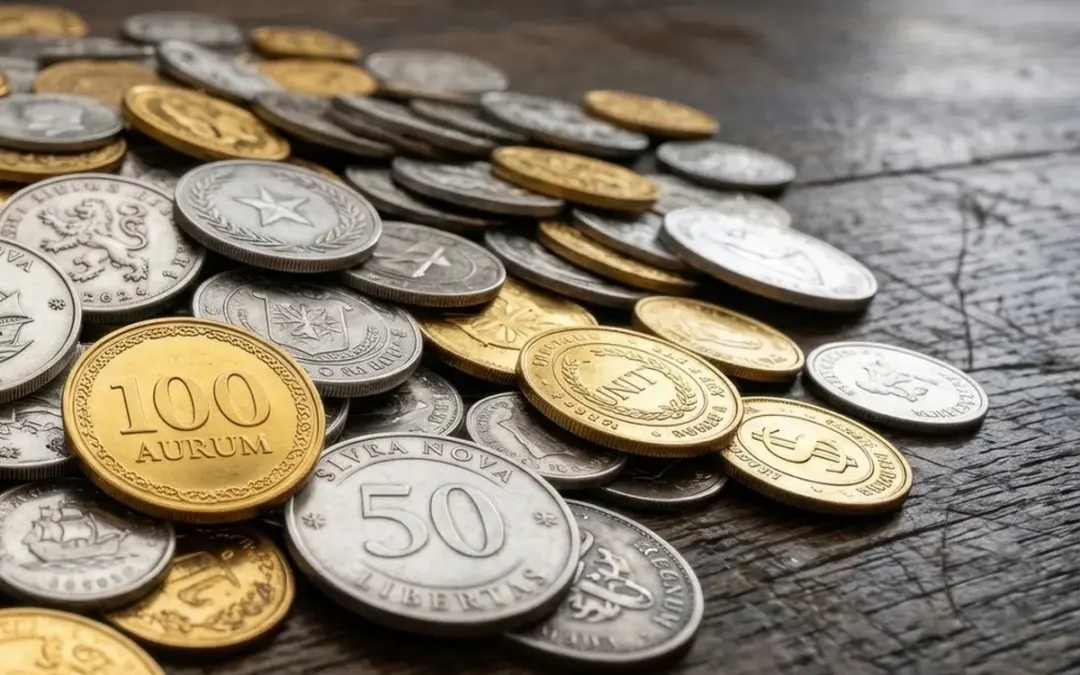
Most people who decide to sell gold and silver coins in NYC do it the same way, they grab what they have, walk into the nearest shop, and take whatever number is thrown at them. Sometimes that works out fine. Often, it doesn’t. The difference between a good outcome and a frustrating one almost always comes down to a handful of things most sellers never think to ask about beforehand. If you’ve got coins sitting in a drawer, a safe, or an inherited collection, here’s what’s worth knowing before you hand anything over.
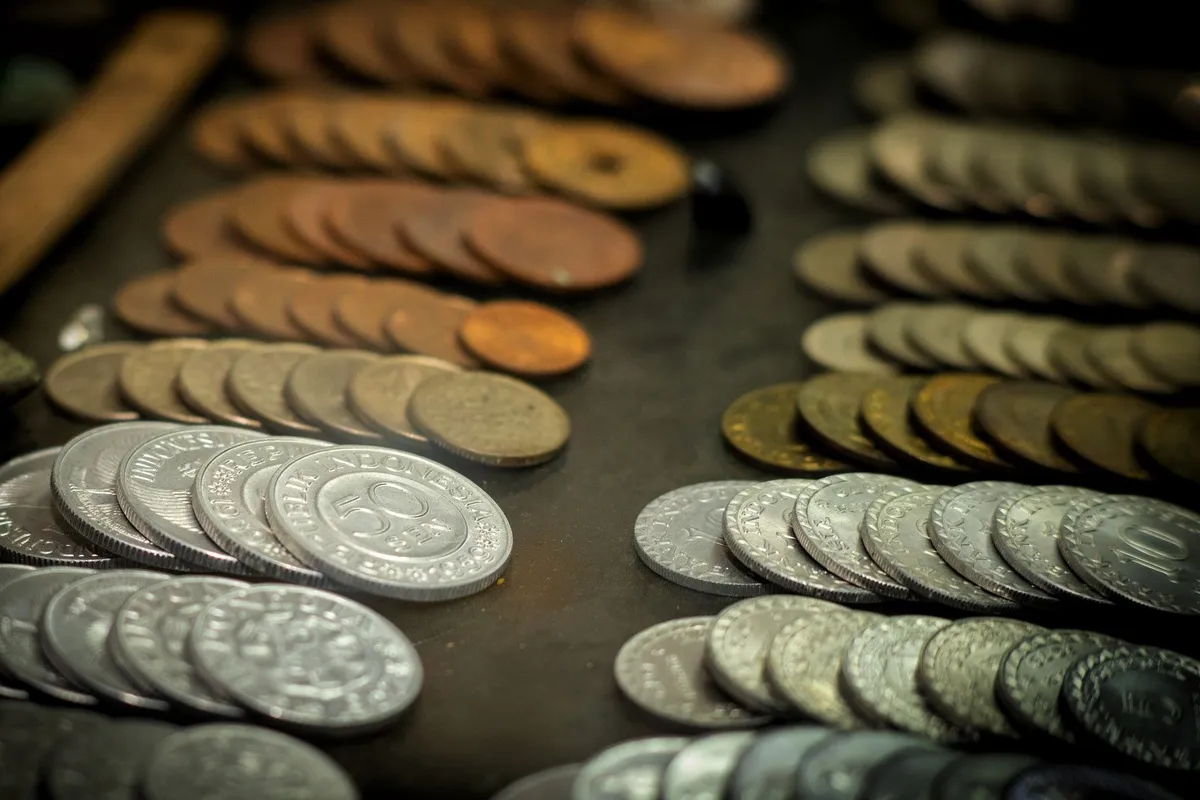
Your Coins Might Be Worth More Than the Metal Inside Them
This is the part that catches people off guard most often. When you bring in a gold or silver coin, a reputable buyer is going to look at two things: the melt value, meaning what the metal itself is worth at current spot prices, and the numismatic value, which is what collectors are willing to pay above and beyond the metal content.
A common Morgan silver dollar, for example, might have a melt value of around $20 to $25 depending on the silver spot price. But certain dates and mint marks on that same coin can push its value to $100, $500, or significantly more. The same logic applies to gold coins. A Saint-Gaudens Double Eagle isn’t just a gold coin, it’s a piece of American history that serious collectors actively pursue.
The problem is that not every buyer will tell you this. Some shops are set up purely to buy metal and melt it down. They’ll pay you spot or slightly under and move on. That’s not dishonest, but it’s not in your best interest if your coins have collector appeal. Before you sell, it pays to understand how coin grading affects what your pieces are actually worthbecause condition matters enormously in this market.
The Buyer You Choose Changes Everything
There’s no shortage of places in New York City willing to buy your coins. Pawn shops, jewelry stores, online platforms, and dedicated coin dealers all compete for the same inventory. But they don’t all operate the same way, and the difference in what they offer can be significant.
Pawn shops, for instance, are generalists. They deal in everything from guitars to handbags, and precious metals are just one category among dozens. Their offers on coins tend to reflect that, they’re buying at a deep discount because they need room to resell at a profit and they don’t always have the expertise to accurately assess what they’re holding.
A specialist buyer who focuses specifically on gold and silver is a different situation entirely. They know the market, they understand numismatic value, and they’re not guessing when they make you an offer. At Silver and Gold Coin Buyers, the focus is exactly that, coins and bullion, not a side hustle between other merchandise. Sellers who’ve worked with specialists consistently walk away feeling like the process was straightforward and fair, which is the way it should be.
If you’re bringing in gold coins or silver coinsknowing who you’re dealing with matters as much as knowing what you have.
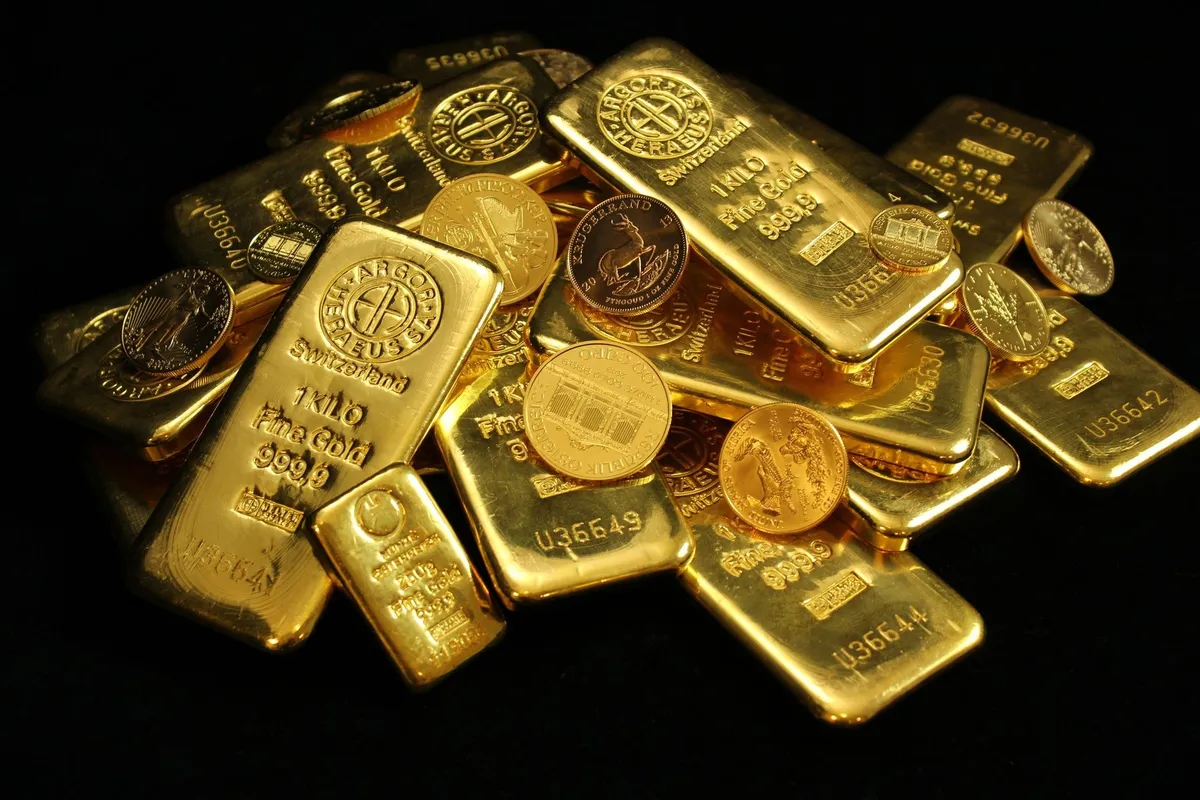
Timing Isn’t Everything, But It’s Not Nothing Either
Gold and silver prices move. Sometimes they move a lot. The spot price on any given Tuesday can be meaningfully different from what it was the week before, and that directly affects what you’ll be offered for your metal.
This doesn’t mean you should obsessively track commodity prices and try to time the market perfectly, that’s a stressful approach that rarely pays off the way people hope. But it does mean that walking in without any awareness of where prices are sitting is leaving money on the table. A quick check of the current gold or silver spot price before your appointment gives you a baseline. If a buyer’s offer seems wildly out of step with spot, you now have a reference point to push back or walk away.
There are also broader market conditions worth paying attention to. When economic uncertainty is high, precious metals tend to rise. When inflation concerns are elevated, demand from buyers increases. These aren’t reasons to hold onto coins indefinitely, but they’re worth factoring into your decision. For a deeper look at how to think about this, the piece on timing your sale for maximum profit lays it out clearly.
Preparation Before You Walk In Makes a Real Difference
You don’t need to become a coin expert overnight. But a little preparation before you show up to sell goes a long way toward getting a better result.
Start by sorting what you have. Separate gold from silver. Set aside anything that looks unusual, odd dates, foreign coins, proof sets, or anything in original mint packaging. These categories often carry premiums that a quick bulk offer won’t reflect. Don’t clean your coins. This is one of the most common and costly mistakes sellers make. Cleaning removes the natural patina that collectors value and can significantly reduce what a coin is worth, even if it makes the coin look shinier to an untrained eye.
Bring any documentation you have, original receipts, certificates of authenticity, or prior appraisals. These don’t always change the offer, but they can support a higher valuation, especially for certified or graded coins.
Finally, don’t feel pressured to accept the first offer you receive. A trustworthy buyer won’t rush you. They’ll explain how they arrived at their number, answer your questions, and give you time to think. If someone is pushing you to decide on the spot with no explanation, that’s a signal worth paying attention to.
The whole process of selling coins should feel transparent, not transactional. When you walk in informed, you’re in a much stronger position to make sure it does.
Frequently Asked Questions
How do I know if my old coins are worth more than just the metal they’re made of?
The key is looking at the date, mint mark, and condition of each coin before you walk into any shop. A Morgan silver dollar, for example, might be worth $20 to $25 based on silver content alone, but certain dates and mint marks on that same coin can push the value to $100, $500, or more depending on what collectors are willing to pay. A buyer who specializes in coins, not a pawn shop or jewelry store, is far more likely to catch that difference and factor it into their offer.
Should I clean my coins before bringing them in to get a better offer?
No, cleaning your coins is one of the most costly mistakes you can make before a sale. It removes the natural patina that collectors actively look for, and a cleaned coin can be worth significantly less than an unclean one in equivalent condition, even if it looks shinier to the naked eye. Leave them exactly as they are and let the buyer assess them in their original state.
Does it really matter which buyer I go to in NYC, or will the offers be roughly the same?
The offers can vary significantly depending on who you’re selling to. Pawn shops and general jewelry stores buy at a deep discount because they’re generalists who need room to resell at a profit and often lack the expertise to accurately value what they’re holding. A buyer who focuses specifically on coins and bullion understands numismatic value and is working from actual market knowledge, not a rough guess.
Do I need to know the current gold or silver spot price before I come in?
You don’t need to track it obsessively, but checking spot prices before your appointment gives you a concrete baseline to work from. If a buyer’s offer seems far off from where spot is sitting that day, you have a reference point to ask questions or walk away rather than just accepting a number you can’t evaluate. It takes two minutes to look up and puts you in a much stronger position during the conversation.
What should I bring with me when I come in to sell inherited or old coins?
Sort your coins beforehand, separate gold from silver, and set aside anything that looks unusual, like foreign coins, proof sets, or anything still in original mint packaging, since these often carry premiums a bulk offer won’t reflect. Bring any documentation you have, including original receipts, prior appraisals, or certificates of authenticity, as these can support a higher valuation especially for certified or graded pieces. You don’t need to be an expert walking in, but that basic preparation consistently leads to a better outcome.
Trackbacks/Pingbacks