
Sell Gold and Silver Coins: Timing Your Sale for Maximum Profit
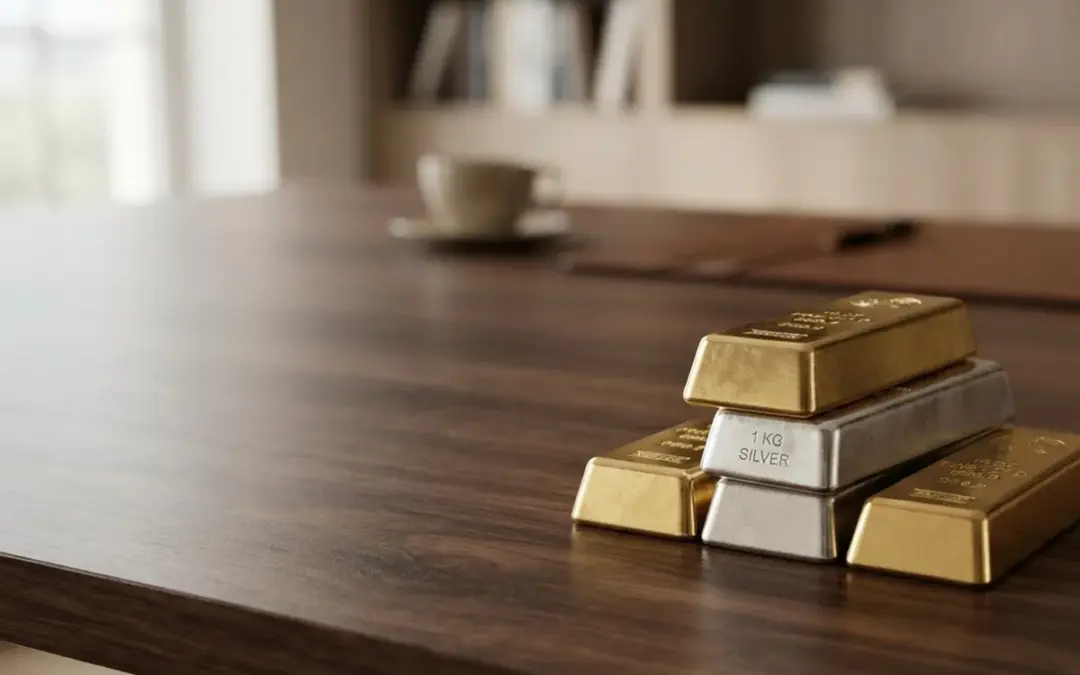
Most people who decide to sell gold and silver coins in NYC do it backwards. They find a coin in a drawer, look up a rough price online, and walk into the first buyer they can find, often leaving real money on the table. Timing, preparation, and knowing how the market actually moves can make a meaningful difference in what you walk away with. Here’s what experienced sellers know that first-timers usually don’t.
The Market Doesn’t Wait for You, But It Does Give Signals
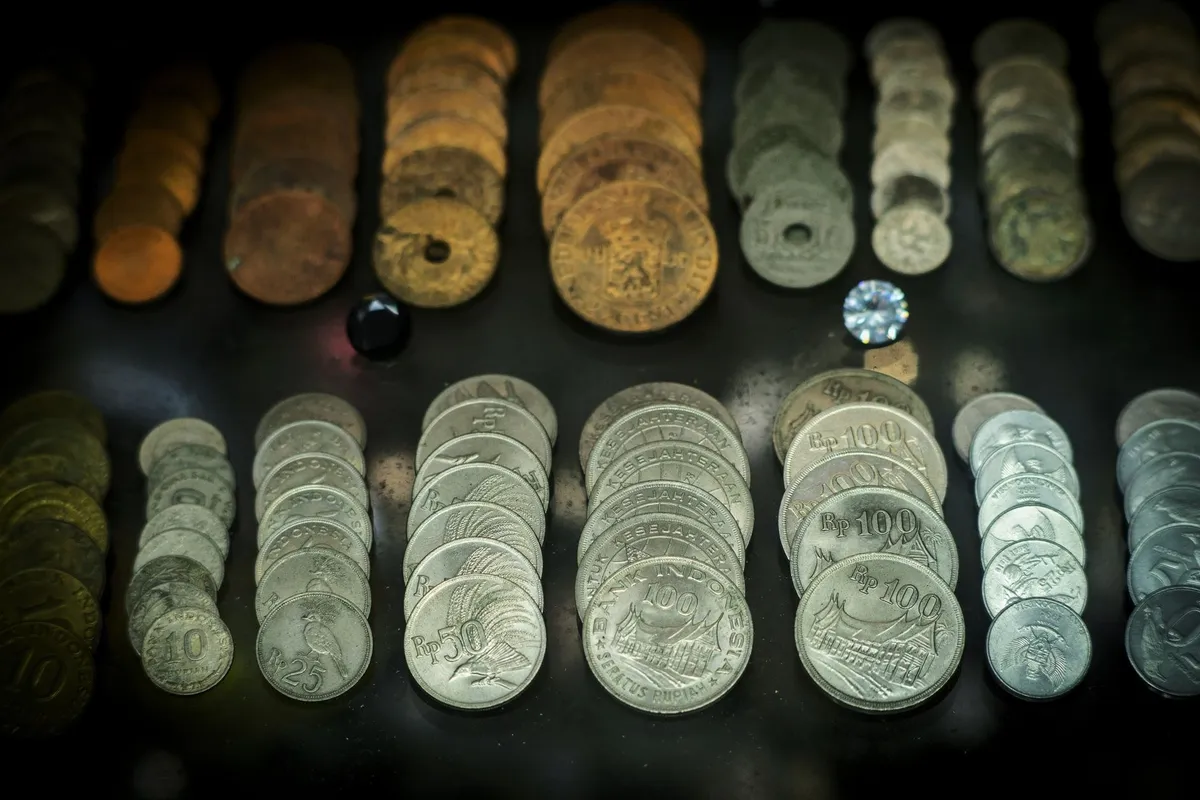
Gold and silver prices move constantly, driven by inflation data, Federal Reserve decisions, geopolitical tension, and shifts in the dollar. The good news is that these aren’t random spikes, they follow patterns that a patient seller can use to their advantage.
When inflation fears rise or the dollar weakens, precious metals tend to climb. That’s not a coincidence, it’s the reason people have held gold and silver for centuries. If you’re not in a rush to sell, watching the spot price over a few weeks before committing can pay off. Even a modest uptick in silver spot price, multiplied across a roll of Morgan dollars or a collection of American Eagles, adds up fast.
That said, trying to perfectly time the top of the market is a fool’s errand. The smarter move is to avoid selling during obvious dips, when financial news is calm, inflation is low, and metals are quiet. Those are the moments when buyers will offer you less, simply because the market supports it. Sell into strength, not silence.
What’s Actually in Your Collection Matters More Than You Think
Here’s something that surprises a lot of sellers: two coins with identical metal content can fetch very different prices. A circulated 1921 Morgan dollar and a mint-state example of the same coin are not the same thing to a serious buyer. One is worth its silver melt value. The other could be worth multiples of that.
Before you sell anything, take a hard look at what you actually have. Condition, rarity, mint marks, and year of issue all factor into value beyond the raw metal price. If you’ve inherited a collection or stumbled onto something at an estate sale, it’s worth understanding how coin grading affects your selling price before you walk into any buyer’s office. A coin that looks worn to you might still grade well enough to command a collector premium.
This applies to both sides of the coin market. Gold coins like the American Gold Eagle or South African Krugerrand carry bullion value, but certain dates and mint marks push them into collector territory. Silver coinsespecially pre-1965 U.S. issues, are similar. Know what you have before you name a price or accept one.
Selling in NYC: The Advantages Are Real, But So Are the Traps
New York City is one of the most competitive precious metals markets in the country. That competition generally works in a seller’s favor, buyers here can’t afford to low-ball you the way a pawn shop in a smaller market might, because you can walk two blocks and get another offer. The density of serious buyers keeps offers honest.
The trap, though, is assuming all buyers are equal. Some specialize in bullion and will give you strong spot-based offers on generic coins and bars. Others focus on numismatics and will recognize collector value that a bullion dealer would ignore. Walking into the wrong type of buyer with the wrong type of coin is a common and costly mistake.
Sellers who’ve worked with established local buyers, the kind with years of experience and a reputation built on repeat customers, consistently report feeling more confident in the process. There’s a reason people come back to the same buyer more than once: transparency and fair dealing aren’t as common as they should be in this industry, so when you find it, you remember it.
At Silver and Gold Coin Buyers in NYC, the focus is on giving sellers a clear, honest assessment of what they have, whether it’s a single coin or an entire estate collection. That kind of straightforward approach makes a real difference when you’re trying to make a smart financial decision under pressure.
Practical Steps Before You Walk In the Door
You don’t need to become a coin expert overnight. But a little preparation before your appointment can meaningfully shift the outcome.
Start by separating your coins by type, gold from silver, bullion from potentially collectible. Don’t clean anything. Cleaning a coin, even gently, can destroy its numismatic value in ways that can’t be undone. Buyers notice immediately, and it almost always reduces what they’ll offer.
Check the current spot price of gold and silver the morning you plan to sell. This gives you a baseline. A reputable buyer will offer you a percentage of spot, how close to spot depends on the coin type, demand, and their current inventory. Knowing the number going in means you can evaluate any offer intelligently rather than guessing.
If you have a larger collection or a mix of bullion and potentially rare pieces, consider getting more than one assessment. There’s no obligation involved in a free appraisal, and comparing offers across two or three serious buyers gives you real market data, not just one person’s opinion.
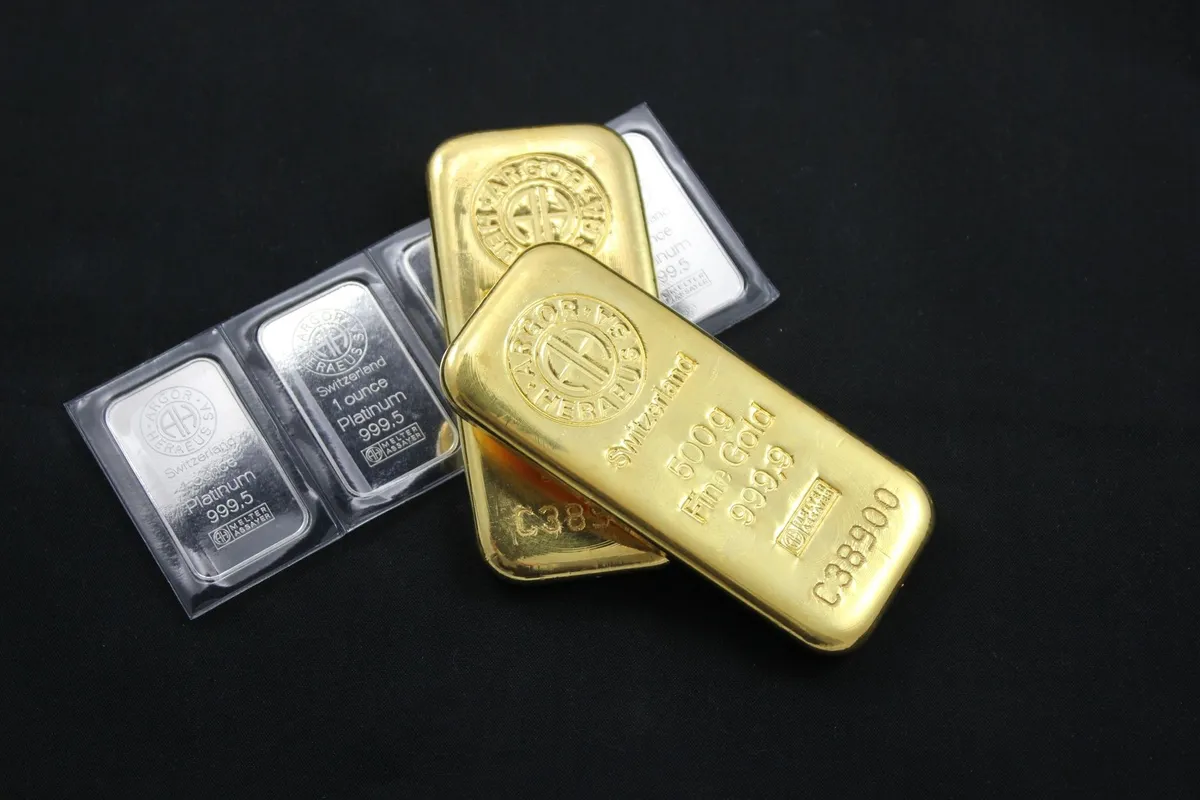
For those holding bars or rounds alongside coins, the same logic applies, you can learn more about what to expect from that side of the process on the gold and silver bullion selling page. The market for bars moves slightly differently than coins, and understanding that distinction before you sell is time well spent.
Timing your sale well isn’t about luck. It’s about paying attention, knowing your material, and choosing the right buyer for what you actually have. Do those three things, and you’re already ahead of most people who walk through the door.
Frequently Asked Questions
How do I know if my coins are worth more than just the metal value?
Condition, mint marks, rarity, and year of issue all push a coin’s value above its raw metal price, a mint-state 1921 Morgan dollar, for example, can be worth multiples of what a circulated version of the same coin brings. Pre-1965 U.S. silver coins and certain dated gold coins like specific American Gold Eagles or Krugerrands can cross into collector territory. If you inherited a collection or picked something up at an estate sale, get an honest assessment before you accept any offer based on melt value alone.
Should I clean my coins before bringing them in to get a better offer?
No, cleaning a coin, even carefully, almost always reduces what a buyer will offer because it can permanently destroy numismatic value. Buyers notice cleaned coins immediately, and there’s no way to undo the damage once it’s done. Leave everything exactly as you found it and let the buyer assess the coin in its original state.
What’s the best time to bring my coins in, and does market timing actually matter?
Selling when gold and silver prices are climbing, typically during periods of inflation fears, dollar weakness, or geopolitical tension, puts more money in your pocket than selling during quiet stretches when metals are flat. Even a modest uptick in silver spot price adds up quickly across a large collection, like a roll of Morgan dollars or a batch of American Eagles. You don’t need to catch the exact top; you just want to avoid obvious dips when the market gives buyers less reason to offer strong prices.
Why does it matter which type of buyer I go to in NYC?
Some buyers here specialize in bullion and price generic coins and bars based on spot, while others focus on numismatics and will recognize collector premiums that a bullion dealer would completely miss. Walking into a bullion shop with a genuinely rare coin, or the reverse, is a common mistake that costs sellers real money. Matching what you have to the right type of buyer is one of the most practical things you can do before you walk in the door.
Is it worth getting more than one offer before I commit to selling?
Yes, especially if you have a larger collection or a mix of bullion and potentially collectible pieces, a free appraisal carries no obligation, and comparing two or three serious offers gives you actual market data rather than one person’s number. Checking the current spot price of gold and silver the morning you plan to sell also gives you a baseline so you can evaluate any percentage-of-spot offer intelligently. The NYC market is competitive enough that getting multiple assessments is practical, not paranoid.
Trackbacks/Pingbacks